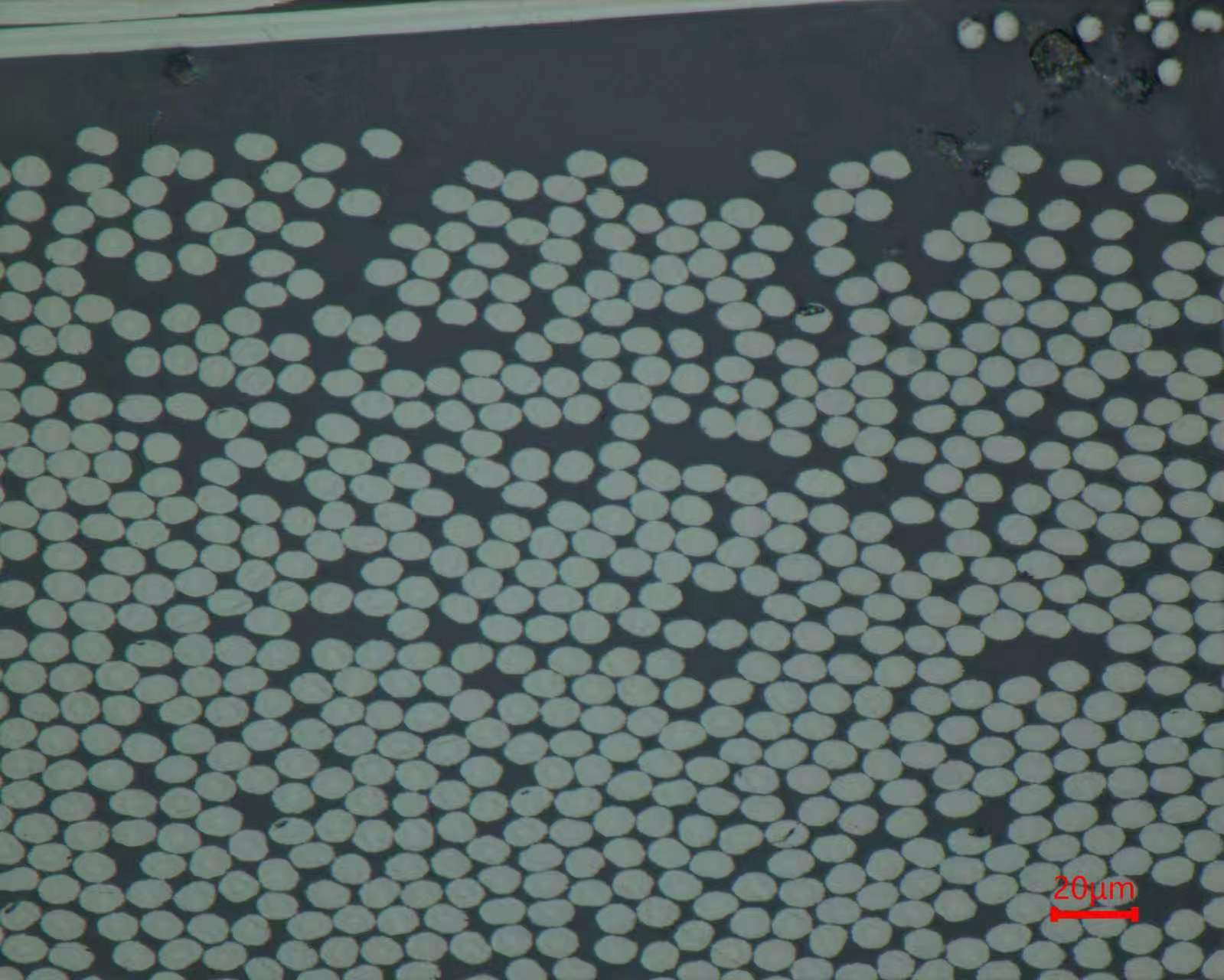
تجمع مركبات ألياف الكربون بين خفة الوزن والأداء الميكانيكي العالي، إلا أن بنيتها غير المتجانسة تجعل عملية التحضير الميتالوغرافي تحديًا خاصًا.
أثناء القطع والتلميع، قد يؤدي سحب الألياف وتلف السطح والخدوش وتقريب الحواف إلى تغيير حدود الواجهة بين الألياف والمادة المصفوفة، مما يؤثر على دقة التحليل المجهري اللاحق.
بالنسبة لهذه العينة، تم اتباع مسار تحضيري محكم:
• نظام تركيب إيبوكسي منخفض الانكماش TJ2568
• استخدام كرات طحن MET-SP P800 → P1200 → P2000 للطحن التدريجي
• محلول معلق من الألماس متعدد البلورات CS-JP + 1 ميكرومتر PD-WT
• محلول معلق من السيليكا الغروية ZN-ZP + 0.05 ميكرومتر SO-A439 للتلميع النهائي
الهدف ليس مجرد الحصول على سطح أملس، بل الحفاظ على الواجهة الحقيقية بين الألياف والمادة المصفوفة، وتقليل التشوهات الناتجة عن عملية التحضير إلى أدنى حد.
إن التحضير الموثوق للعينات يوفر الأساس لإجراء تقييم دقيق لتوزيع الألياف وجودة الواجهة والعيوب والبنية المجهرية للمواد المركبة.
<<>> #ألياف_الكربون #مواد_مركبة #علم_المعادن #تحضير_العينات #تحليل_الفشل #توصيف_المواد #تروجان